Comprehensive Immigration Law Services for Your New Journey
Maneuvering the details of immigration can be daunting for many individuals. Thorough immigration law services provide essential support, helping clients through the complex processes involved. From understanding various options to preparing residency and citizenship applications, these services play an crucial role in fulfilling immigration goals. However, many still face challenges along the way. What are the most frequent obstacles, and how can one effectively overcome them?
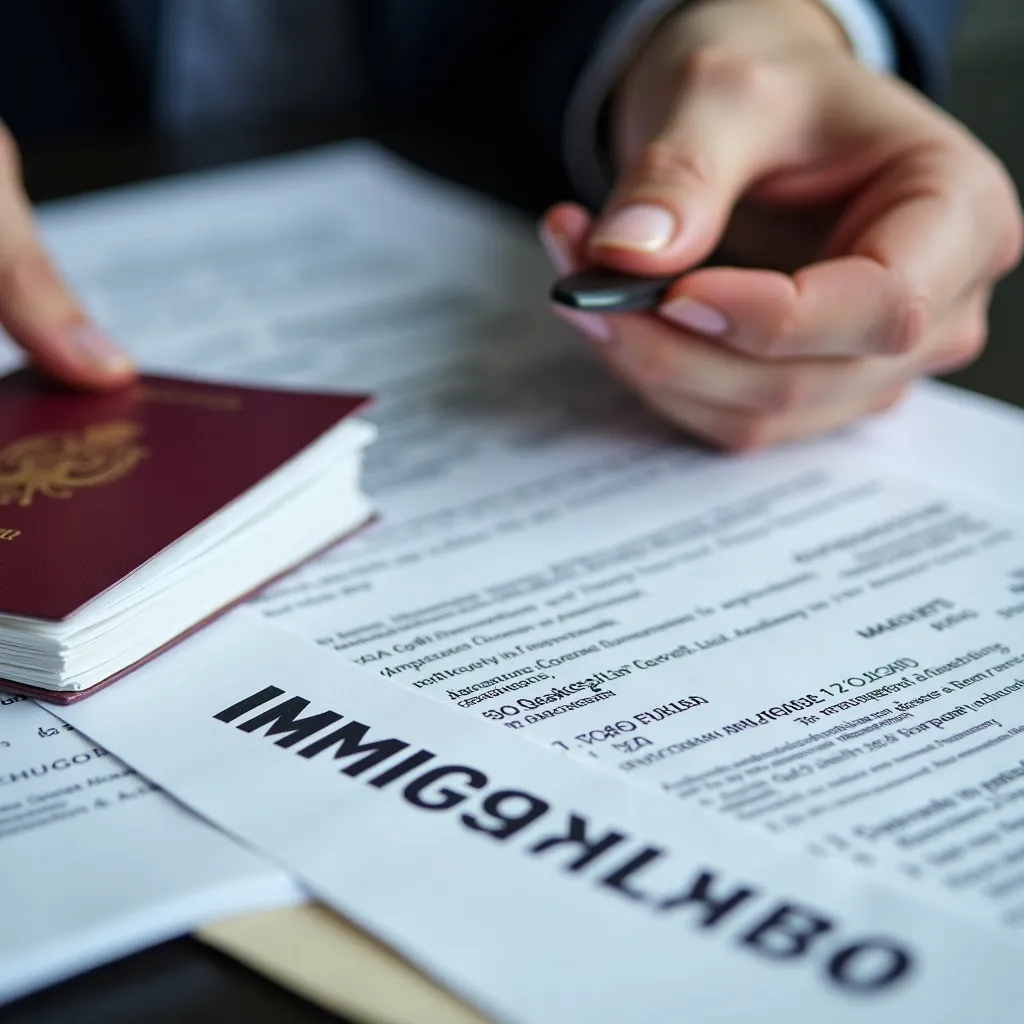
Understanding Immigration Law Services: What to Expect
What should one anticipate when pursuing immigration law support? Individuals often anticipate a organized approach that leads them through the challenges of immigration procedures. Initially, a meeting typically aids recognize distinct needs and situations. Attorneys evaluate qualification for various immigration benefits, guaranteeing clients obtain customized advice.
Clients should also be prepared for a thorough breakdown of applicable laws and regulations, plus guidance into potential challenges. An key part of immigration legal aid involves the preparation and submission of essential documents. Attorneys assist in gathering required evidence and accurately completing forms, reducing the chance of delays or denials.
Furthermore, timely dialogue is important; clients should anticipate frequent updates concerning their case status. Ultimately, effective immigration law services aim to streamline the process, offering clarity and support throughout the often difficult process of immigration.
Essential copyright Categories and Prerequisites for New Immigrants
Moving through the terrain of immigration can be challenging, particularly when identifying the critical types and requirements for newcomers. Typical types include family-sponsored, employment-based, student, and refugee . Each type has distinct eligibility criteria and documentation requirements.
Family-sponsored permits need proof of the relationship with a U.S. citizen or copyright, while employment-based permits necessitate a job offer and labor certification from an employer. Student require admission from a recognized educational institution and proof of financial support.
Furthermore, refugee are available for individuals escaping oppression, requiring extensive documentation to demonstrate qualification. Applicants must also be conscious of application fees, processing times, and possible interviews. Understanding these categories and their prerequisites is vital for new immigrants to guarantee a smoother shift into their fresh start. Adequate preparation can significantly improve the likelihood of a favorable submission.
Choosing the Ideal Immigration Attorney Suited for You
Determining the right immigration attorney requires deliberate thought of several key factors. Evaluating their track record and competency, understanding the legal fees involved, and inspecting their interaction style are important measures in this process. A thoughtful selection can materially shape the outcome of an immigration case.
Assessing Credentials And Specialized Skills
Selecting the correct immigration lawyer may substantially determine the outcome of a case, which makes it essential to appraise their experience and capabilities in detail. Clients looking for representation should assess the lawyer’s background in immigration law, noting the number of cases handled and specific areas of expertise, like family-based or employment-based immigration. Analyzing their success rate in analogous cases may give insight into their competence. In addition, analyzing client testimonials and seeking referrals can aid in evaluating their credibility. Checking any professional affiliations or certifications is additionally valuable, since these often indicate a commitment to keeping up to date with immigration laws. In the end, a comprehensive evaluation ensures that individuals choose a lawyer able to manage their particular immigration challenges competently.
Grasping Law Pricing
Understanding attorney fees is a vital step for anyone pursuing immigration law services. Prospective clients should be cognizant that fees can vary greatly based on factors such as the lawyer's experience, the complexity of the case, and geographic location. Many immigration lawyers offer flat fees for specific services, while others may charge hourly rates. It is essential for clients to request a clear breakdown of costs and any potential additional expenses. Transparency in pricing helps avoid unexpected financial burdens. Additionally, clients should inquire about payment plans or sliding scale fees, which can make legal services more accessible. Ultimately, understanding these financial aspects can empower clients to make informed decisions when selecting an immigration attorney.

Analyzing How Information Are Delivered
Effective exchange is an crucial factor when determining an immigration lawyer. A lawyer's skill to communicate sophisticated legal information in a simple and lucid manner can markedly impact a client's encounter. Potential clients should review how available the lawyer is to requests and whether they can express information in a way that corresponds to the client's requirements. During initial consultations, clients should watch the lawyer's communication abilities and eagerness to handle concerns. Effective lawyers not only supply legal advice but also build a welcoming space for honest communication. Ultimately, picking a lawyer whose communication approach appeals to the client can produce a more productive relationship and boost the overall immigration process. This alignment guarantees that clients remain backed and educated throughout their journey.
Learning about the Residency Requirements
Managing the residency process can be a intricate process, as it includes multiple steps and legal requirements that vary by country. Individuals pursuing residency must first determine the appropriate category, which often relies on factors such as employment, family connections, or humanitarian grounds. Gathering the necessary documentation is essential; applicants typically need proof of identity, financial stability, and health insurance, among other items.
After filing, applications are subject to review, which may feature interviews or extra inquiries. Timelines can fluctuate substantially, as some countries hasten their procedures for certain applicants while others move slower due to backlogs or stringent regulations.
Comprehending local laws and regulations is critical, as non-adherence can cause delays or denials. Partnering with professionals experienced in immigration law can deliver understanding and help people navigate this complicated undertaking effectively. Conclusively, readiness and understanding are crucial factors in obtaining successful copyright.
Procedures to Attain Naturalization
Achieving naturalization status involves a clear set of steps that applicants must adhere to. This includes comprehending qualification criteria, navigating the submission procedure, and getting ready for the citizenship examination. Each element plays a crucial part in effectively acquiring citizenship status.
Eligibility Requirements Detailed
While the path to citizenship may seem challenging, comprehending the eligibility requirements is vital for interested candidates. To attain U.S. citizenship, individuals must meet several criteria. They must be at least 18 years old, hold lawful permanent residency for a minimum of five years, or three years if married to a U.S. citizen. Character must be sound, demonstrated through a record free of criminal offenses. In addition, applicants must show English language proficiency and knowledge of U.S. history and government. Continuous residence in the U.S. is required, with absences not exceeding six months during the residency period. By becoming familiar with these requirements, applicants can more effectively prepare for the next steps in their citizenship journey.
Application Process Introduction
Understanding the naturalization procedure is vital for those seeking U.S. citizenship, as each step demands careful scrutiny of specifics. The journey begins with completing Form N-400, the Application for Naturalization, which prompts applicants to provide personal information and proof of eligibility. Following submission, applicants must pay the necessary costs and await a receipt notice. Next, biometrics appointments are scheduled to collect fingerprints and photographs for background checks. After processing, applicants receive a notice regarding their interview, where they must demonstrate knowledge of U.S. history and government. Finally, upon approval, applicants take the Oath of Allegiance, solidifying their status as U.S. citizens. Each step is important toward achieving the ultimate goal of citizenship.
Readying Yourself for a Naturalization Interview
A comprehensive readiness for the naturalization interview is essential for applicants aiming to obtain U.S. citizenship. This procedure generally involves several important steps. First, candidates should acquaint themselves with the U.S. government structure, history, and civic responsibilities, as these topics are integral to the interview. Rehearsing answers to frequently posed questions can improve confidence and clarity. Additionally, applicants must compile required documentation, including proof of residency and tax records. It is adble to review the U.S. Citizenship and Immigration Services (USCIS) materials and think about attending preparatory classes or workshops. Finally, applicants should plan to arrive early on the interview day to account for any unexpected delays, ensuring a calm and focused demeanor during the interview.
Tackling Regular Immigration Difficulties
Dealing with the intricacies of immigration can be overwhelming, particularly when encountering common challenges such as denials, language barriers, and unclear legal processes. Many individuals experience anxiety during the filing stage, often due to insufficient documentation or misunderstandings regarding legal requirements. Language barriers can worsen these issues, hindering effective interaction with immigration officials and legal representatives.
To surmount these obstacles, obtaining expert help is crucial. Immigration attorneys can provide tailored guidance, assisting applicants understand their rights and responsibilities. Furthermore, utilizing translation services can ensure that language does not obstruct progress.
Preparing diligently for discussions and collecting all vital records can greatly reduce the chances of rejection or hold-up. By addressing these common hurdles beforehand, individuals can manage the movement landscape more productively, setting the way for successful achievements in their journeys toward legal residency or citizenship.
Frequently Sought Questions
What Costs Are Along With Immigration Law Services?
Fees regarding immigration law services generally comprise initial meeting fees, processing fees, and ancillary charges for record preparation or legal representation. Variations depend on the complexity of the case and the solicitor's proficiency.
How long Does the Immigration Process generally Take?
The immigration procedure generally takes a period ranging from several months to several years, based on get the full story factors including application type, origin country, and specific circumstances. Processing times may vary significantly, impacting individuals' plans and expectations during the process.
Are Family Members Capable of Accompany Me In the Immigration Procedure?
Yes, household relatives can regularly accompany individuals during the immigration process. Exact eligibility depends on classifications and circumstances, but many pathways allow for the inclusion of spouses, sons and daughters, or other immediate relatives.
What Results if My Request Gets Refused?
If a application is denied, the applicant generally receives a notice explaining the grounds. They might have choices to challenge, reapply, or correct problems, based on the particular situation and immigration regulations at play.
Can You Discover Alternatives to Traditional Immigration Procedures?
Employment-based , investor programs, humanitarian options, and family sponsorship serve as substitutes for conventional immigration routes. Each route offers specific criteria and methods, enabling individuals to explore diverse avenues for legal residency and citizenship.